Jewish Farmers Dating - From Kibbutz Spirit to American Soil

Your connection to the land runs deeper than the roots you tend. From the cooperative farms of the kibbutz movement to thriving organic homesteads across America, Jewish farmers have always understood that the best things in life grow from shared values, hard work, and community. Find a partner who gets that.

Jewish Agricultural Traditions in America

Jewish farmers dating is about finding someone who understands a heritage rooted in the oldest agricultural covenant recorded - the bond between a people and the land promised to them. From the Jewish agricultural colonies of the late 1800s to today's thriving organic and sustainable farms, Jewish Americans have shaped American agriculture in ways most people never learn about.

According to the USDA, there are an estimated 6,500 Jewish-operated farms across the United States as of 2024, with concentrations in New York's Hudson Valley, California's Central Coast, Pennsylvania's Lehigh Valley, and throughout New England. These operations generate over $2.1 billion in annual agricultural sales, with a notable emphasis on organic produce, vineyards, dairy, and specialty crops.

The Kibbutz Legacy - Communal Farming Reimagined

The kibbutz movement didn't stay in Israel. Its spirit of communal agriculture - shared labor, shared harvest, shared purpose - inspired Jewish farming cooperatives across America. Organizations like Hazon (now Adamah) have trained over 800 young Jewish farmers since 2004, creating a new generation of agriculturalists who blend Torah values with regenerative farming practices. The Adamah Fellowship program in Connecticut's Berkshire hills produces farmers who go on to start their own operations, from goat dairies in Vermont to organic vegetable farms in the Catskills.

Here's the thing: finding a partner who understands why you pause the tractor on Friday afternoon for Shabbat - or why your CSA box includes a note about the agricultural roots of Sukkot - requires a dating space built for exactly that conversation.

Jewish Agricultural Colonies: An American Origin Story

Between 1882 and 1920, waves of Jewish immigrants established agricultural colonies across the American landscape. Alliance and Woodbine in New Jersey, Clarion in Utah, Painted Woods in North Dakota, and dozens more - these communities proved that Jewish farmers could thrive on American soil. The Jewish Agricultural Society, founded in 1900, helped over 150,000 Jewish families acquire and farm land across the United States (American Jewish Historical Society).

The Jewish relationship with agriculture is not nostalgic - it is alive. Every Shabbat table, every Sukkot harvest, every Tu B'Shevat planting connects us to a farming tradition that predates modern agriculture by three thousand years.

- Nigel Savage, Founder of Hazon

Kosher Farming - Where Tradition Meets Modern Agriculture

Kosher farming operations represent a growing niche within American agriculture. From kosher dairy farms in Wisconsin and upstate New York to kosher vineyards in California's Napa and Sonoma valleys, these operations serve a kosher food market valued at over $26 billion annually in the U.S. (Lubicom Marketing). Kosher organic farms, in particular, have seen 30% growth since 2020 - driven by consumers who want food that satisfies both dietary law and environmental conscience.

What does this mean in practice? It means a Jewish farmer isn't just growing crops - they're maintaining a supply chain, a tradition, and a spiritual practice simultaneously. A partner who understands that complexity is worth more than a thousand swipes on Tinder.

What crops do Jewish-American farmers most commonly grow?

Jewish-operated farms in the U.S. most commonly produce organic vegetables (32%), wine grapes (15%), dairy products (12%), poultry and eggs (10%), fruits and berries (9%), and specialty crops like herbs and medicinal plants (8%). There is also a significant presence in beekeeping, goat farming, and heritage grain production. Many Jewish farms emphasize sustainable and regenerative practices, reflecting the Torah's agricultural ethics of shmita (sabbatical year) and pe'ah (leaving field corners for the poor).

Where are the largest Jewish farming communities in the U.S.?

New York's Hudson Valley and Catskills region has the highest concentration of Jewish-operated farms, followed by California (Central Coast and Napa/Sonoma wine regions), Pennsylvania (Lehigh Valley), Connecticut and Massachusetts (New England organic corridor), and Wisconsin (kosher dairy operations). Growing communities also exist in Vermont, Oregon, and Colorado. Urban-adjacent farming initiatives tied to Jewish organizations operate in nearly every major metro area.

Where Jewish Values and Farm Life Grow Together

Jewish farming isn't a contradiction - it's a homecoming. The Torah contains more agricultural laws than nearly any other category of commandment, and Jewish holidays are, at their core, agricultural festivals. Passover marks the spring barley harvest. Shavuot celebrates the wheat harvest and first fruits. Sukkot is the autumn ingathering. When a Jewish farmer observes these holidays, they're not performing ritual abstractions - they're living the original, literal meaning.

Tikkun Olam Through the Soil

Tikkun olam - repairing the world - is a driving value for many Jewish farmers. Regenerative agriculture, soil restoration, and sustainable food systems aren't trendy buzzwords for this community; they're spiritual imperatives. According to a 2024 survey by the Jewish Farmer Network, 78% of Jewish farmers cite tikkun olam as a primary motivation for their agricultural work, and 64% practice organic or regenerative methods - compared to roughly 5% of all U.S. farms (USDA).

Consider this: a partner who shares this worldview doesn't just understand your crop rotation schedule. They understand why you rotate - because the land deserves rest, just as the Torah commands in the shmita year.

Shabbat Rhythms That Farmers Understand

Every farmer knows the rhythm of rising before dawn and resting when the body demands it. Shabbat - the weekly day of rest from sundown Friday to sundown Saturday - adds a sacred dimension to this rhythm. For Jewish farmers, Shabbat means the animals are still fed and the greenhouse vents are still checked, but the plow stops, the market prep waits, and family gathers around the table with challah baked from flour you milled yourself.

Why does this matter for dating? Because mainstream dating apps schedule first dates on Friday and Saturday nights. A Jewish farmer's weekend looks nothing like that. You need a farmer dating site where "Can't do Saturday - it's Shabbat, and Sunday morning I'm already at the farmers market" is understood, not questioned.

Family as the Foundation of the Farm

In Jewish tradition, family isn't just important - it's the organizing principle of life. The concept of l'dor v'dor (from generation to generation) applies as much to farming as it does to faith. Passing down a farm, a seed variety, a recipe for your grandmother's borscht made with beets you grew yourself - these are acts of Jewish continuity. Finding a partner who wants to build that legacy with you is what Jewish farmers dating is truly about.

A Niche Dating App That Respects Your Heritage

Every feature on YourSuper-Datings is designed to honor the cultural values, traditions, and unique lifestyle of Jewish-American farmers.

Jewish Values Centered

Share your relationship with Torah, Shabbat observance, kashrut practices, and community involvement directly in your profile. Your faith isn't a footnote - it's the framework for everything, including who you choose to build a life with.

Cultural Sensitivity

We understand the diversity within the Jewish community - Orthodox, Conservative, Reform, Reconstructionist, secular, and culturally Jewish. Whether you keep strict kosher or simply honor the spirit of the traditions, your level of observance is respected here.

Family Involvement Honored

In Jewish culture, family approval carries weight. Our platform supports transparent profiles where you can share your heritage story, family values, and long-term intentions - the kind of information that matters when families meet.

Jewish Farm Singles on YourSuper-Datings

Real profiles from verified farmers who share your heritage and your connection to the land.

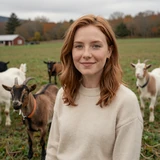
Miriam, a Jewish-American organic herb farmer from New York

Miriam, 32

I run a 45-acre organic herb and vegetable farm in the Hudson Valley. Adamah fellowship alumna. Shabbat dinner with farm-to-table challah is my love language.

New York Organic Herbs & Vegetables ✓ Verified Farmer
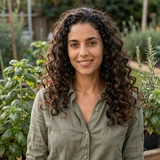
Eli, a Jewish-American kosher vineyard owner from California

Eli, 36

Third-generation kosher vineyard owner in Sonoma County. We produce mevushal wines that my zayde would be proud of. Seeking a partner to share the harvest.

California Kosher Vineyard ✓ Verified Farmer
Sarah, a Jewish-American goat dairy farmer from Vermont

Sarah, 29

Kosher goat dairy on 30 acres in Vermont. I make artisanal cheeses and raise heritage breed goats. Looking for someone who values l'dor v'dor.

Vermont Kosher Goat Dairy ✓ Verified Farmer

Sample profiles for illustration purposes. All members are verified agricultural singles.

Why Jewish Farmers Choose YourSuper-Datings

Niche Community, Larger Platform

Jewish farmers aren't isolated here - they're part of a broader farming community that understands agricultural life. With members across all 50 states, you benefit from a focused niche within a platform large enough to deliver real matches.

Verified Farmer Badge

Romance scams cost Americans $1.14 billion in 2023 (FTC). Our Verified Farmer badge confirms genuine agricultural involvement, protecting your trust and filtering out fake profiles before they reach your inbox.

Serious Relationships Only

This isn't a swipe-and-forget app. Jewish farmers are looking for a life partner - someone to build a home, raise a family, and steward the land together. Our platform is designed for long-term connection, not casual browsing.

Free & Transparent

Create your profile in under 5 minutes, browse matches, and start connecting - all without a credit card. The median farm household income is $102,748 (USDA 2024), but nobody should pay before seeing genuine value.

See how the full matching process works →

Join Free - L'Chaim to New Beginnings

Connect with Jewish farmers and rural singles who share your heritage, values, and love of the land.

No credit card required • Join in under 3 minutes

Jewish Farmers Dating - Questions Answered

Start Your Journey Today

Your heritage, your values, your farm life - find someone who cherishes all of it.

Trusted by farmers in all 50 states